Between Forgetting and Hope. Eddie Canales’ Fight for Justice and Memory
At forty degrees, he died nearly two miles from the last water station. Eduardo “Eddie” Canales’ voice remained steady when he said it, but his eyes betrayed his words. “We still don’t know his name.”
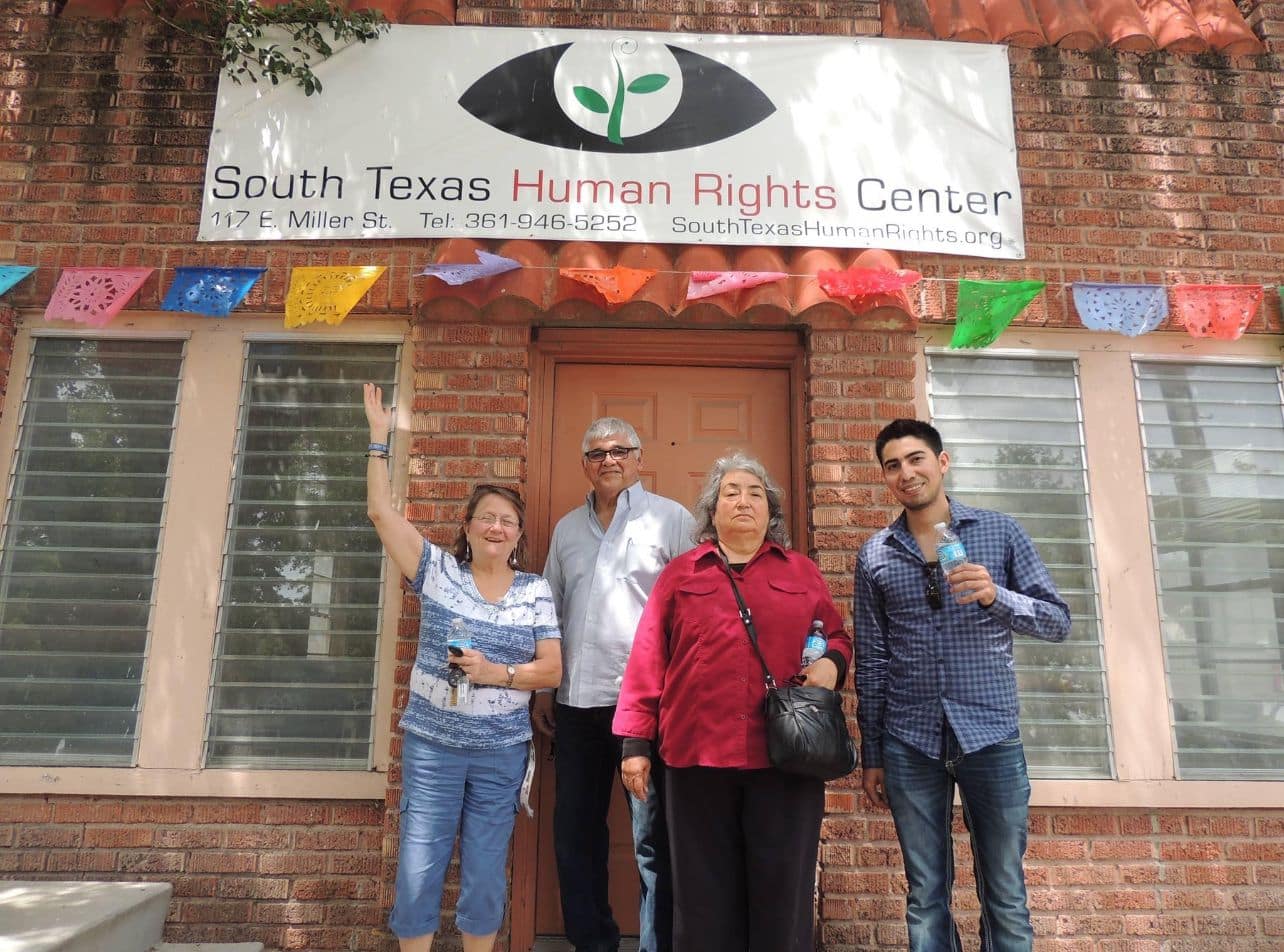
Every story at the South Texas Human Rights Center began this way, with an unknown body and a life lost too soon. Eddie taught me that, at the border, the difference between life and death often comes down to something as simple as a gallon of water and a society that prefers to look away.
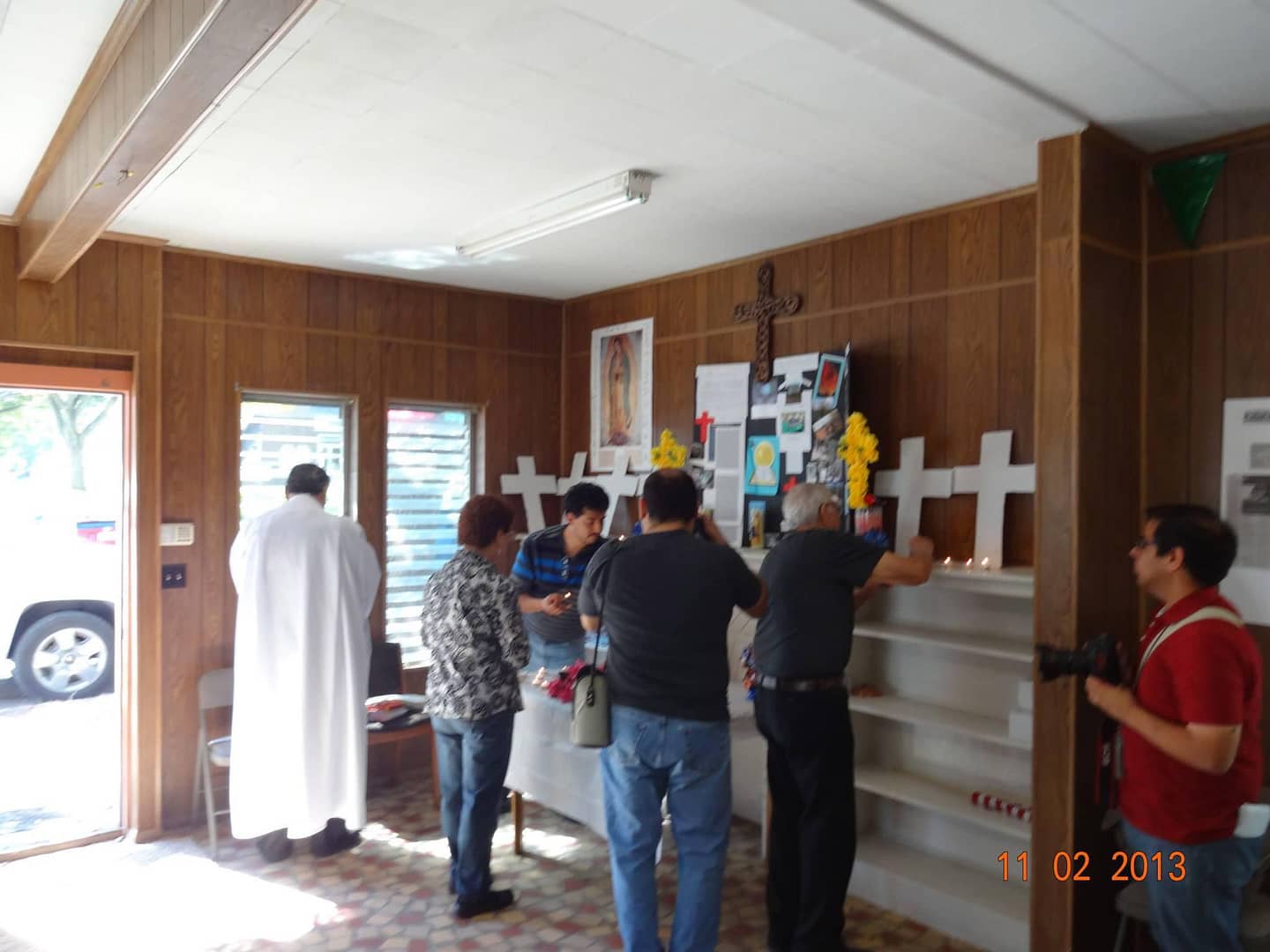
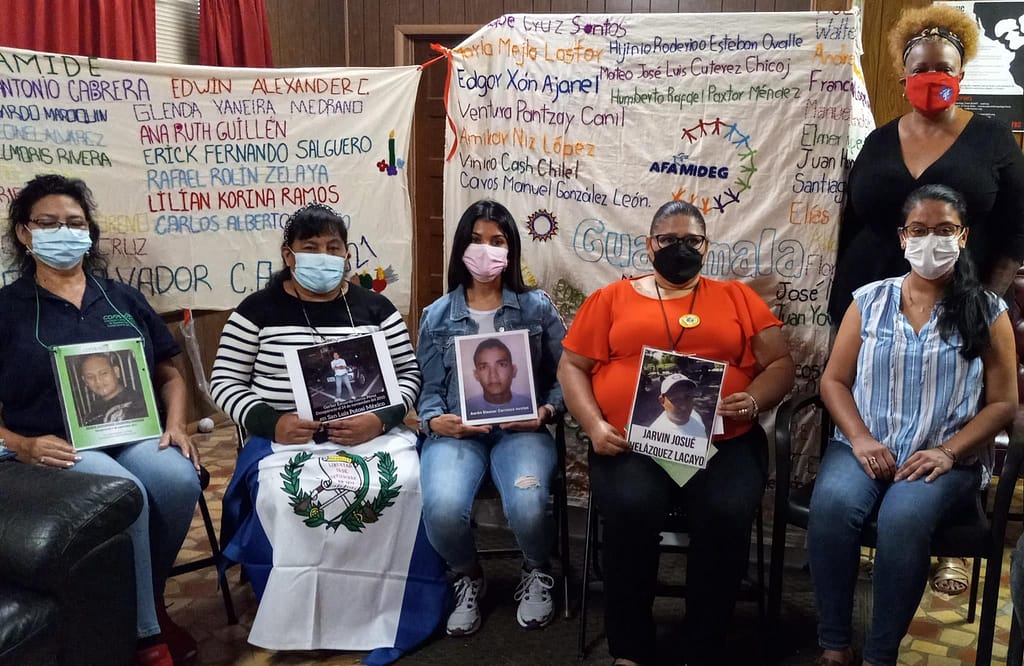
That understanding shaped Eddie’s commitment. As the founder of the Center, and someone I met early in my career as a reporter, he saw more than faces in the photographs on his office walls, he saw purpose. From the mother searching for her son to the wife who had not heard from her husband in years, every face represented a chance to keep someone else from dying in the unforgiving Texas desert, chasing what was denied to them on the other side of the wall.
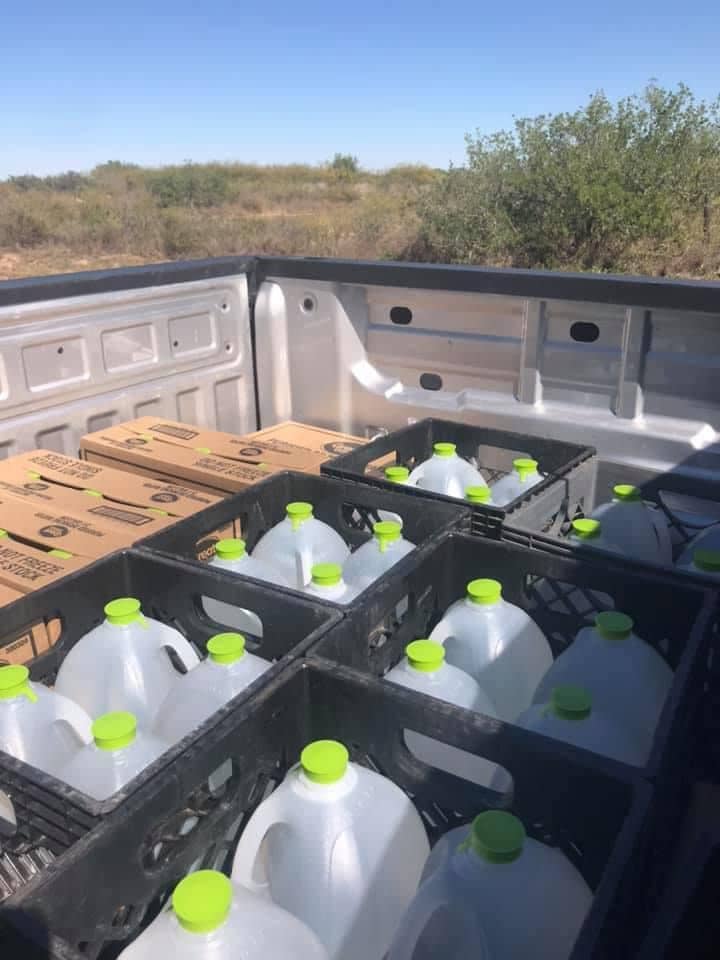
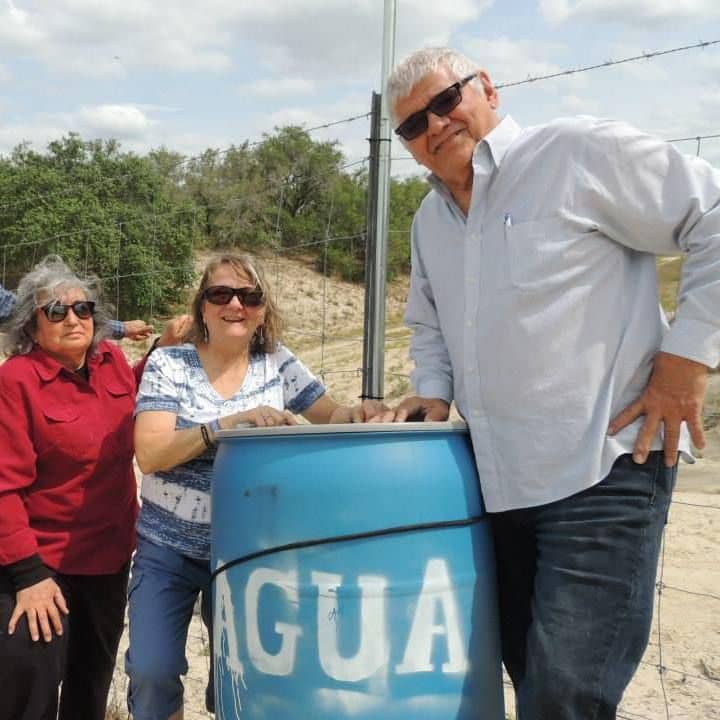
The work was never easy. Every day, a truck had to be loaded and driven along the dusty roads of Falfurrias, Texas, to place gallons of water in blue containers. Sometimes, the effort was undone, Eddie told me in 2016 that Border Patrol agents would empty the water stations. Even so, nearly 200 strategically placed water stations became a lifeline for migrants braving a treacherous journey. In the scorching Texas heat, the absence of water could mean death in just a few hours.
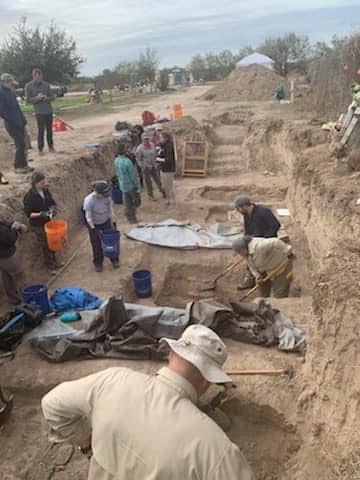
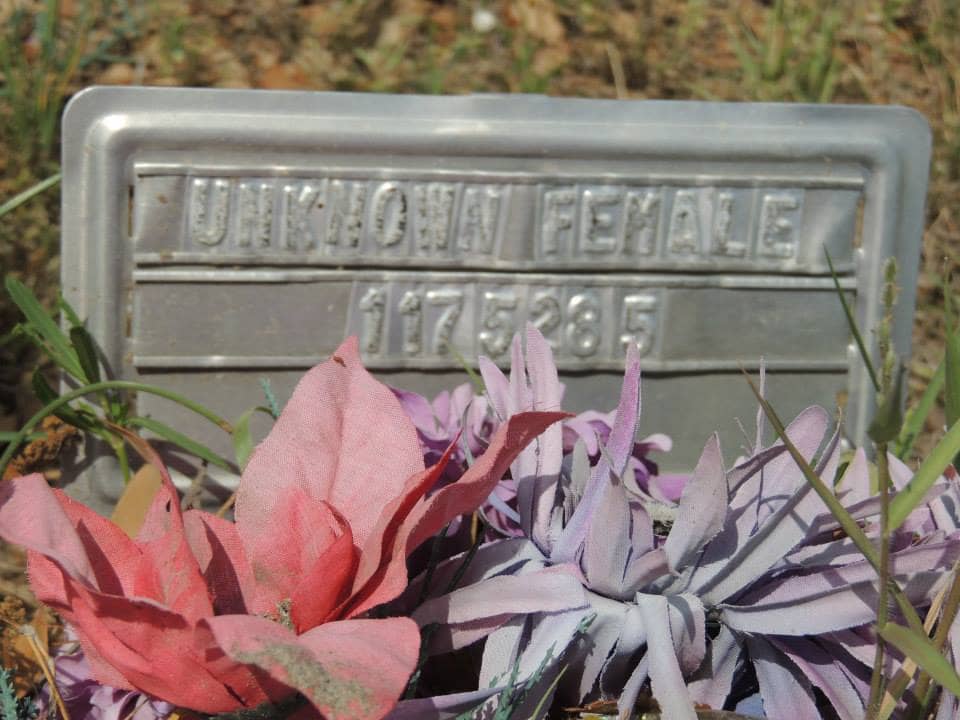
That urgency also pushed Eddie toward a deeper injustice… He could not understand how someone could endure hunger and thirst in the desert, only to die unnamed. Driven by that belief, in 2014, Eddie and other activists helped push for a Texas law requiring unidentified bodies to be DNA tested and exhumed. For Eddie, the fight was never against the desert alone, it was against the indifference of a system that had buried migrants in trash, bodies, or even shopping bags. Each one was a human being, with a family, a story and a legacy that deserved to be remembered.
His tireless work paid off, by 2017, the remains of 20 people had been identified. These bodies were found beneath small plaques bearing the name of Angel Howard-Williams Funeral Home, which officials in Brooks and Jim Hogg counties said had been responsible for burying migrants in the early 1990s.
Despite the physical toll of 76 years of life and stage 4 cancer, Eddie continued working until his final day. He refused to let more people die without a name, or let families keep suffering in silence without answers. To Eddie, every lost life was a tragedy and a story that deserved to be honored.
Eddie Canales’ legacy did not end with his death. His fight for migrants will continue to stand as a beacon of humanity in a land too often darkened by indifference.
To Mr. Eddie Canales, the man with the warm smile, heartfelt hugs, strong legs, and a warrior’s heart, thank you for everything. Until we meet again.